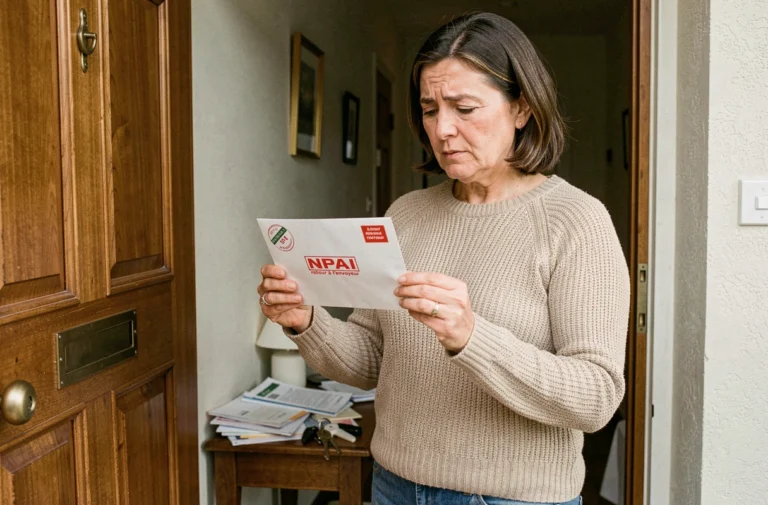
An apartment listed at €200,000 can cost much more once financing, renovations and additional fees are factored in. The gap between the asking price and the true cost of a property project catches buyers and sellers off guard every year.
Since January 2025, an energy audit has been mandatory when selling a detached house or a single-owner building rated E, F or G, adding another document to the file and affecting the sale timeline. Understanding these differences helps you negotiate fairly and keep every stage of the project on track.
Asking price and the true cost of buying property: what drives the gap
You’ve found a property at the right price in the right neighborhood. The natural instinct is to compare that amount with your available budget. The problem is that the asking price tells only part of the story.
Here’s a simple example. An apartment with an F energy rating needs energy-efficiency upgrades to remain rentable in mainland France, since rent increases are frozen for properties rated F or G. If you’re buying to rent it out, the yield shown in the listing doesn’t account for this work. And if you’re buying a home to live in, your energy bills will eat into your monthly budget.
Beyond the energy rating, approved condominium works can add up quickly. Exterior renovations, replacing a shared boiler or bringing the elevator up to code can cost several thousand euros, payable over two or three years. These amounts are recorded in the minutes of general meetings, but few buyers ask to see them before signing the preliminary sales agreement.
To learn more about how the market works, CCOPF’s real estate section brings together useful resources on financing and the steps involved in buying or selling a property.
Financing itself adds another layer of complexity. The APR is the only reliable indicator for comparing loan offers, as it includes borrower insurance and application fees.
A low nominal interest rate paired with expensive insurance can cost more than a slightly higher rate with a competitive alternative insurance policy. The Banque de France publishes average rates on loans actually granted, while mortgage brokers share rates observed across their applications: these indicators do not measure the same thing.

Energy ratings and energy audits: how they affect property sale prices
An energy performance certificate is no longer just a way to inform buyers. It now affects whether a property can be sold or rented.
A rating that can change without any renovation work
Some electrically heated homes have received a different rating following a change in the calculation method. Owners who thought they would need to insulate their property before putting it on the market sometimes discover that their energy rating has changed without any work being done. Checking this before setting a price or starting renovations can save several thousand euros.
The energy audit: an additional document for the sale file
Since January 2025, an energy audit has been mandatory for detached houses and single-owner buildings rated E, F or G. It goes beyond the energy performance certificate by outlining renovation scenarios and their estimated costs. The seller must provide it at the first viewing.
Why does this matter so much? Because an informed buyer will use the audit to negotiate a lower price. If it estimates the cost of insulating the attic and replacing the windows, those figures become concrete bargaining points. Sellers are therefore better off anticipating this discussion rather than being caught off guard.
- Check whether the energy rating has been recalculated using the new method before setting the sale price
- Commission the energy audit in advance to avoid delays when signing the preliminary sales agreement
- Factor the cost of the work recommended in the audit into price negotiations, whether you’re buying or selling
Property financing: compare offers beyond the nominal interest rate
The interest rate gets all the attention when people shop for a loan. That’s understandable: it seems to sum up the cost of borrowing in a single figure. The reality is more nuanced.
The nominal interest rate does not reflect the total cost of the loan. Two offers with the same rate can differ by several thousand euros over the life of the loan. Borrower insurance often accounts for a significant share of the overall cost. Switching to an external insurer rather than taking the policy offered by the bank remains an underused way to negotiate.
Another factor people rarely consider in advance: the loan term affects the total cost far more than the interest rate. Extending a loan by two years to lower the monthly payment may seem more manageable, but it’s worth calculating the extra interest before signing.
- Always ask for the APR for every offer you receive, not just the nominal interest rate
- Compare offers using the same loan term and borrower profile
- Calculate the difference between the bank’s group insurance policy and an external alternative
- Simulate how shortening the loan term would affect the total cost

Selling property: anticipate the questions buyers will ask
Sellers who prepare their paperwork in advance sell faster and face less pressure to lower the price. The usual approach is to freshen up the paint and tidy the place for photos. That helps, but it’s not what holds up a sale.
What holds things up is a lack of information. A serious buyer will ask for the minutes of the last three general meetings, the condominium maintenance log, the amount of the service charges, and details of approved or planned work. Providing these documents at the first viewing speeds up the decision-making process.
The energy performance certificate and, where required, the energy audit should be ready before the listing goes live. A property rated D with a clear audit inspires confidence. A property rated F with no audit available puts buyers off or prompts them to offer far less than the estimated value.
The right price isn’t set by looking at nearby listings. It’s calculated by adding up the property’s value, subtracting the cost of necessary work and taking its energy rating into account. Sellers who know the true cost of their property to a buyer are in a stronger negotiating position, because they can anticipate objections instead of being blindsided by them.
Preparing for a property project, whether buying or selling, means carrying out checks that the asking price alone cannot replace. Energy ratings, energy audits, APRs and condominium works can each shift the actual budget by several thousand euros. Identify them early to stay in control of negotiations.