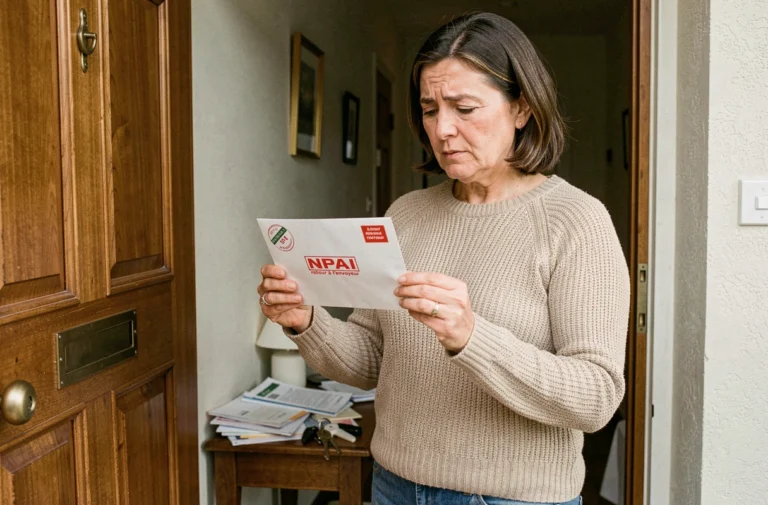
Animal welfare is no longer just about feeding and vaccinating. In France, transferring ownership of a dog or cat now requires prior identification and the signing of a certificate of commitment and knowledge at least seven days before the animal joins its new home. This requirement turns adoption into a considered legal act, far removed from an emotional impulse. In 2026, the European Union reinforced this approach by adopting new rules on the traceability of dogs and cats bred or kept in establishments.
Traceability and identification: regulatory blind spots
The 2026 European regulations target breeding and animal-keeping establishments, but the weak link remains the household. A significant proportion of cat owners still believe identification is unnecessary if their pet never goes outside. This misconception can lead to a loss of traceability if the animal runs away, the owner moves, or the owner dies.
France’s certificate of commitment introduced an initial safeguard. A mandatory seven-day reflection period before any transfer gives prospective owners time to make sure they understand the health, dietary and behavioural responsibilities involved.
For practitioners, the challenge is to make identification standard practice from the first consultation, including for indoor cats. A microchip is more than a way to find a lost pet: it legally links an animal to a responsible owner and makes it easier to track vaccinations throughout the animal’s life. Specialist resources to support owners and protect animals are available at https://www.xanima.eu, with an approach focused on preventing breakdowns in relationships between people and animals.
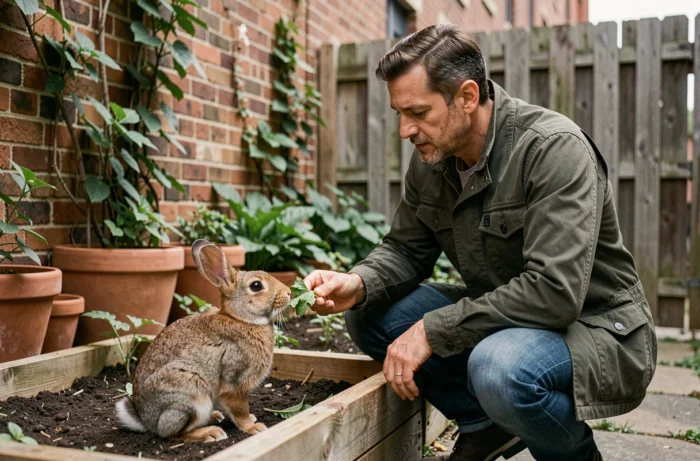
Owner hardship and the breakdown of the bond with a pet
The 2026 study by the SPA and the Affinity Foundation, based on data from animal welfare organisations for 2025, identifies three main reasons animals are taken into care: changes in personal circumstances, financial pressures and behavioural problems. Animal welfare therefore depends directly on the stability of the human household.
Moving home and access to rental housing
An owner forced to move to a property that does not allow pets faces a stark choice. No law prohibits keeping a pet in a privately rented home, yet unfair clauses still appear in some leases. Not knowing your rights leads to avoidable pet relinquishments.
Animal welfare organisations see a spike in animals being taken into care when the rental market is under pressure. Mediation between landlords and tenants with pets, provided by charities or social workers, could help prevent these separations.
Financial pressures and access to veterinary care
Veterinary care is a difficult expense to cut. When a household falls into hardship (job loss, long-term illness or separation), the pet’s healthcare budget is often the first to go. The animal may then develop untreated conditions that undermine its welfare and make it harder to rehome.
Targeted veterinary assistance schemes reduce the risk of the bond breaking down. Some charity clinics offer consultations at reduced rates, but their geographic coverage remains uneven. There is still not enough provision to reach rural and peri-urban areas.
Behavioural problems: a symptom, not the cause
A dog that destroys things or barks compulsively is often expressing distress linked to its environment. When the owner is also experiencing chronic stress (financial hardship, isolation or depression), the animal picks up on this tension and develops behavioural problems. The cycle feeds on itself until the relationship breaks down.
- An early behavioural assessment by a veterinary behaviourist can distinguish a medical condition from an unsuitable environment before the situation becomes unmanageable.
- Temporary fostering offers an owner in difficulty some respite without permanently breaking the bond, provided the arrangement is formalised and the pet’s return is planned.
- Reduced-cost dog training programmes run by local charities can lower the number of pets returned because of behaviours considered problematic.
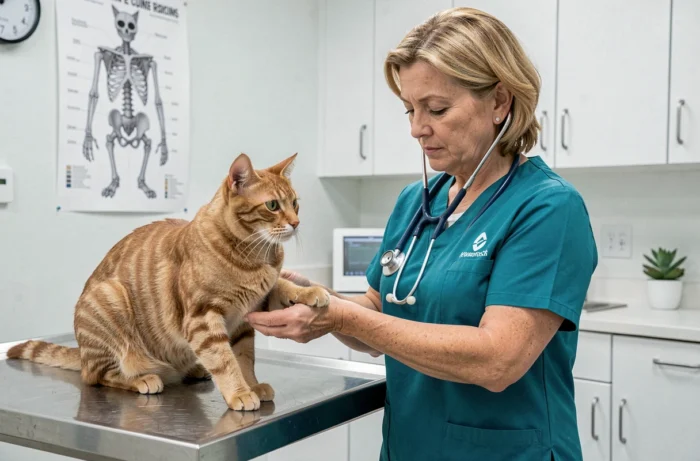
Adapting the home and routines to support dog and cat welfare
Everyday living conditions affect an animal’s wellbeing just as much as medical care. A cat confined to a studio apartment without enrichment may develop stress-related urinary problems. An under-stimulated working dog in an apartment may become destructive—not out of disobedience, but out of frustration.
Environmental enrichment is a form of care in its own right. For an indoor cat, this means providing elevated spots, separate scratching and resting areas, and regularly rotating scent-based stimuli. For a dog, the quality of a walk matters more than its duration: vary the routes, allow plenty of time to sniff freely, and introduce food-search activities.
Diet also contributes to behavioural wellbeing. Slow-feeder bowls, lick mats and smaller, more frequent meals can reduce anxiety around eating, particularly in animals from welfare organisations that have experienced periods of food restriction.
Animal welfare and owner mental health: a feedback loop
The relationship works both ways. An animal whose basic needs are met gives off calming signals (purring, relaxed physical contact and play postures) that help regulate its owner’s stress. Conversely, an animal in distress increases the household’s mental load and can worsen existing anxiety or depression.
This feedback loop calls for an integrated approach. Human healthcare professionals would benefit from including pets in their patients’ social assessments. A GP who identifies financial difficulties in a patient with a pet can refer them to a charity veterinary clinic, helping prevent a cascade of worsening problems.
Animal welfare is not an added comfort reserved for stable households. It is an indicator of household cohesion, a tool for preventing health problems and, for animal welfare organisations, an achievable goal when support for people comes before separation.