
In real estate, a studio and a T1 are two distinct types of accommodation. The difference comes down to one specific feature: whether the kitchen is physically separate. This single criterion affects the layout and living area and, in turn, the monthly rent and associated charges.
Open-plan or separate kitchen: the feature that changes everything
A studio combines the living area, sleeping area and kitchen in a single main room, with the kitchen often reduced to a kitchenette. Only the bathroom has a partition. A T1 also has one main room, but its kitchen is physically separated by a partition or wall.
This distinction is more than just a technicality. A separate kitchen adds dedicated square footage, increasing the total floor area. It also affects ventilation, odour control and everyday acoustic comfort.
To understand the differences between a studio and a T1, you need to look beyond the listing label and check the floor plan. A T1 whose kitchen opens widely onto the living room through a doorway without a door feels much like a studio in practice. Conversely, a studio with a proper kitchen alcove closed off by a curtain is still legally a studio.
Minimum legal floor area and impact on rent per square metre
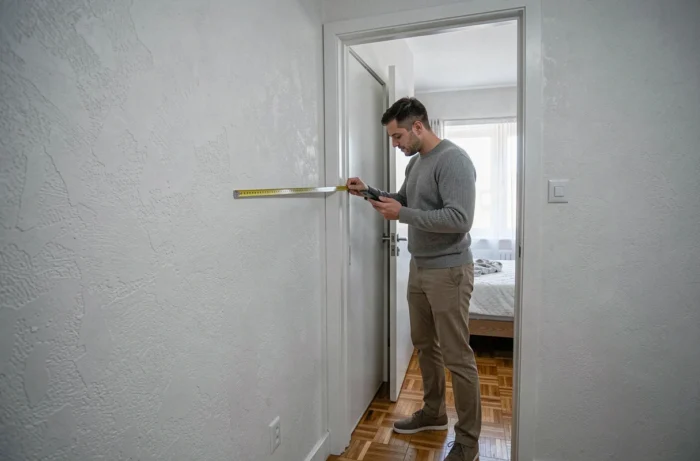
Regulations set a minimum floor area of 9 m² for a property to be rented out, with a ceiling height of at least 2.20 metres and a habitable volume of at least 20 m³. This rule applies to both studios and T1s under Decree No. 2002-120 of 30 January 2002.
In practice, studios are often between 15 and 25 m², while T1s tend to range from 25 to 35 m² thanks to the additional kitchen room. The overall rent for a T1 is generally higher, but the price per square metre for small properties can be misleading. For an 18 m² studio, the rent per square metre may seem high compared with a 30 m² T1, even though the actual monthly rent is lower.
In areas subject to rent controls, the applicable cap depends on the property category, its address and its floor area. Comparing two listings without checking the reference rent applicable to each address can distort your budget assessment.
Energy ratings for small properties: an often underestimated expense
Energy performance certificates (DPEs) have an increasing impact on housing costs, and small properties are particularly affected. DPE rating thresholds have been revised for properties under 40 m² to correct a bias related to how domestic hot water consumption was factored in, which had penalised small apartments.
A studio or T1 with an F or G rating does not just mean higher energy bills. Properties rated G can no longer be offered for rent in mainland France as of 2025. The schedule then provides for F-rated properties to be banned in 2028, followed by E-rated properties in 2034.
For tenants, the direct consequence is that an F- or G-rated property whose rent cannot be increased may seem attractive in the short term, but it could be withdrawn from the rental market if the landlord does not carry out renovations. Before signing a lease, checking the DPE date and validity is just as useful as comparing rents.
What this means for studios and T1s
A studio, with its single open-plan space, is easier to heat but also more exposed to heat loss through windows and exterior walls. In a T1, the kitchen partition creates a buffer zone that can help limit heat loss. A T1 tends to have a slightly better DPE rating when insulation is comparable, resulting in lower energy bills over the year.
Studettes and T1 bis: two variations that can blur the lines
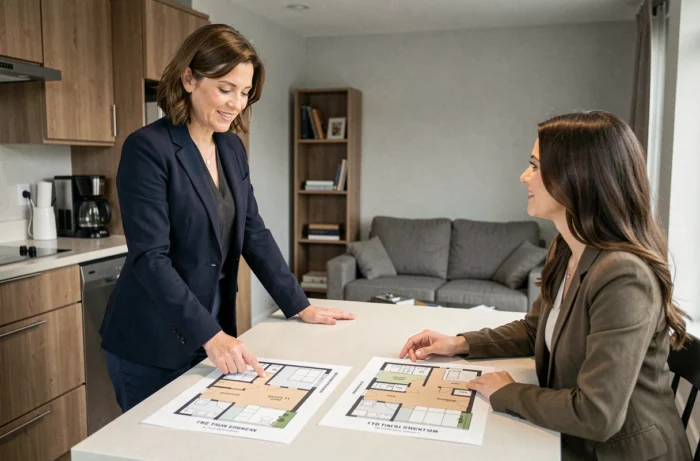
Real estate terminology goes beyond the studio/T1 distinction. Two variations are worth knowing about to avoid surprises when looking for a place to live.
- A studette is a very small studio, often close to the minimum threshold of 9 m². It is suitable for temporary accommodation (an internship or academic year), but not for a long-term home. The rent is low in absolute terms, but the price per square metre is often high.
- A T1 bis is a T1 with a main room large enough to be visually divided into two distinct areas (a living area and a sleeping area), without creating a separate bedroom. It offers comfort close to that of a T2 at a lower rent.
- F1 is strictly synonymous with T1. “F” (for “fonction”) and “T” (for “type”) refer to the same classification. There is no difference in floor area or layout.
When searching online, filtering only for “studio” can mean missing studettes and T1 bis properties that might fit your budget. Widening your search lets you compare genuinely similar properties.
Which type of accommodation fits your actual budget?
Choosing between a studio and a T1 is not just about the rent. Housing costs also include service charges, energy consumption, home insurance and, in some cities, the council tax on second homes.
- A studio costs less in gross rent and home insurance (premiums are calculated based on floor area).
- A T1 is more energy-efficient when insulation is comparable, reducing heating bills.
- In high-demand areas with rent controls, the rent difference between a studio and a T1 may be smaller than expected, as caps take the property category and floor area into account.
For a student or young professional on a tight budget, a studio remains the most affordable option. For someone who cooks regularly or works from home, the separate kitchen in a T1 makes a tangible difference to everyday comfort. The extra monthly cost is then justified by practical use, not simply by the additional square metres.